15 January 2026
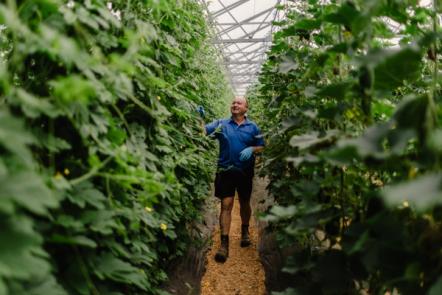
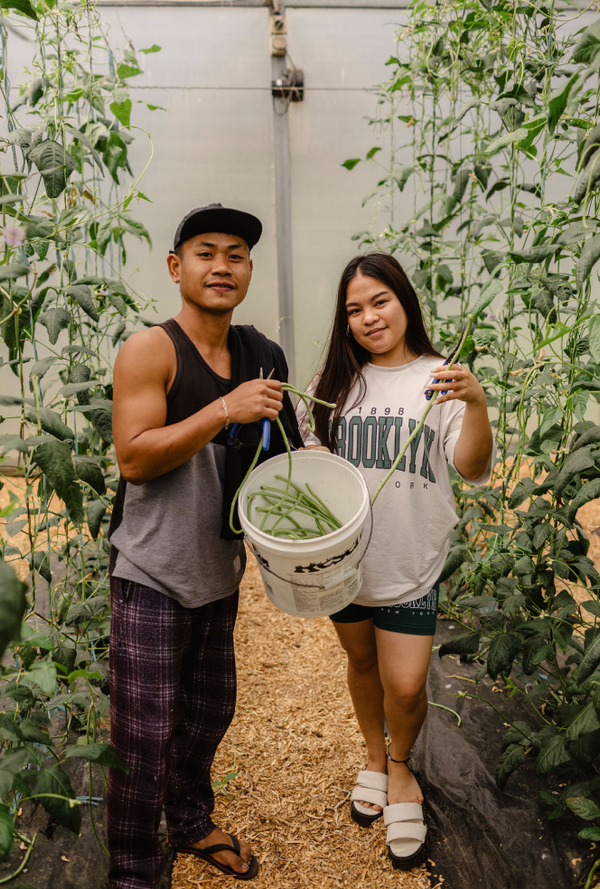
From tomatoes to Thai chillies, a quiet Whanganui East backyard story
Food, Fibre & Beverage
In Whanganui, businesses grow through a connected, collegiate ecosystem - one that values collaboration, shared knowledge, and long-term capability building.
From early-stage founders to established firms, there are clear pathways to advice, space, funding, and sector-led networks designed to support businesses as they scale.
See below for support to existing networks, programmes, and spaces, and get in touch with them to see how they can help you grow.
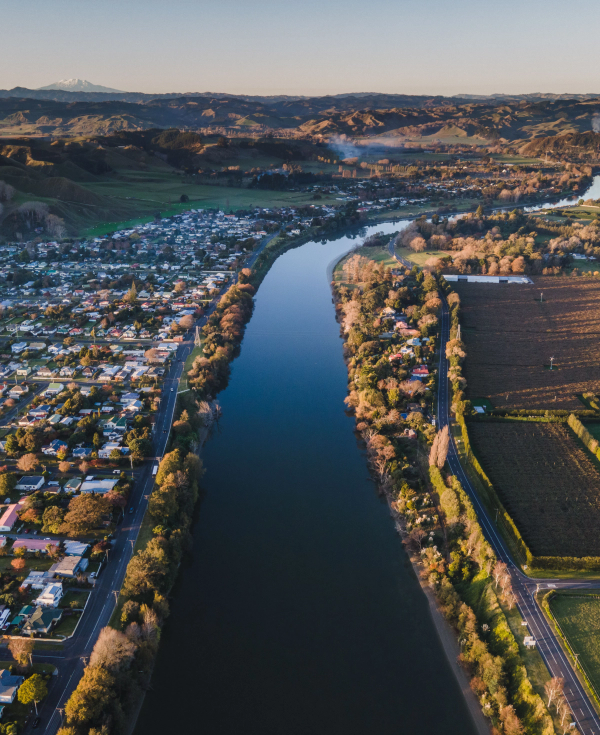
Whanganui ranks in the top third nationally for exports. In 2017, its river became the first in the world to receive legal personhood – a decision co-designed with iwi that challenged convention and reshaped what's possible. In 2021, Whanganui became Aotearoa's only UNESCO City of Design.
Three distinct achievements.
One common thread: how we think.
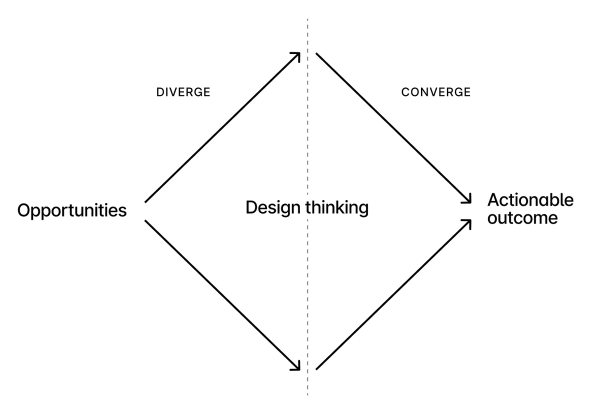
Here, design thinking isn't reserved for architects or agencies. It is how we approach opportunity: listening deeply, testing ideas together, and creating solutions that work for the diverse community.
From our productive heartland to our creative sector, businesses thrive because collaboration isn't a buzzword – it's how we operate.
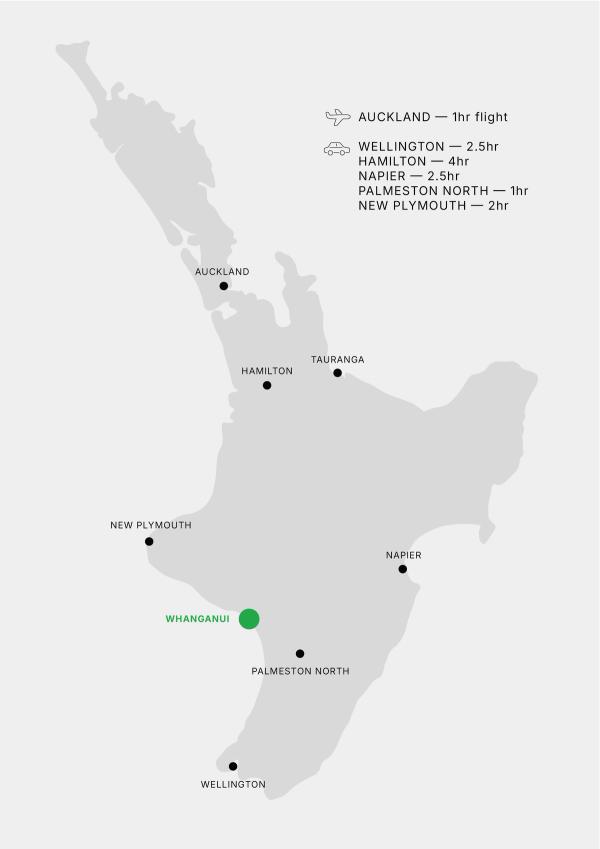
Whanganui sits at the heart of New Zealand's lower North Island, at the intersection of two main state highways and connected by freight rail to major ports.
Regular flights to Auckland and proximity to Palmerston North Airport round out its national and international reach.
As a UNESCO City of Design, Whanganui is part of a global network of 49 cities connected through design-led development. This designation provides international visibility, credibility, and access to global relationships that support collaboration, innovation, and export capability - extending Whanganui’s reach well beyond New Zealand.
Complementing this global network are long-standing sister city relationships that provide depth and continuity to Whanganui’s international connections. Partnerships with Toowoomba (Australia), Nagaizumi (Japan) and Lijiang (China) support ongoing exchange across business, education, and civic collaboration, strengthening ties within the Asia–Pacific region and beyond.

In 2021, Whanganui was announced as New Zealand’s only UNESCO City of Design, one of 49 such cities worldwide, in recognition of exceptional creativity, innovative spirit, cultural integrity and strength of artistic tradition.
Whanganui’s City of Design status is not only a recognition of the creative heritage, it also reflects the unique significance of its indigenous cultural identity and the direction the city is taking.
Design innovation spans Whanganui Iwi remarkable history of engineering, including the unique construction of pā auroa - a style of pā tuna (eel weir) designed to withstand the challenges of strong waters and driftwood.
The contribution of Māori creatives is significant and contemporary Māori designers continue to share and evolve a unique visual language for this place.
Being part of the UNESCO Creative Cities Network now means we can share our design with the world, celebrate the indigenous design of our peers, and grow stronger in our processes.
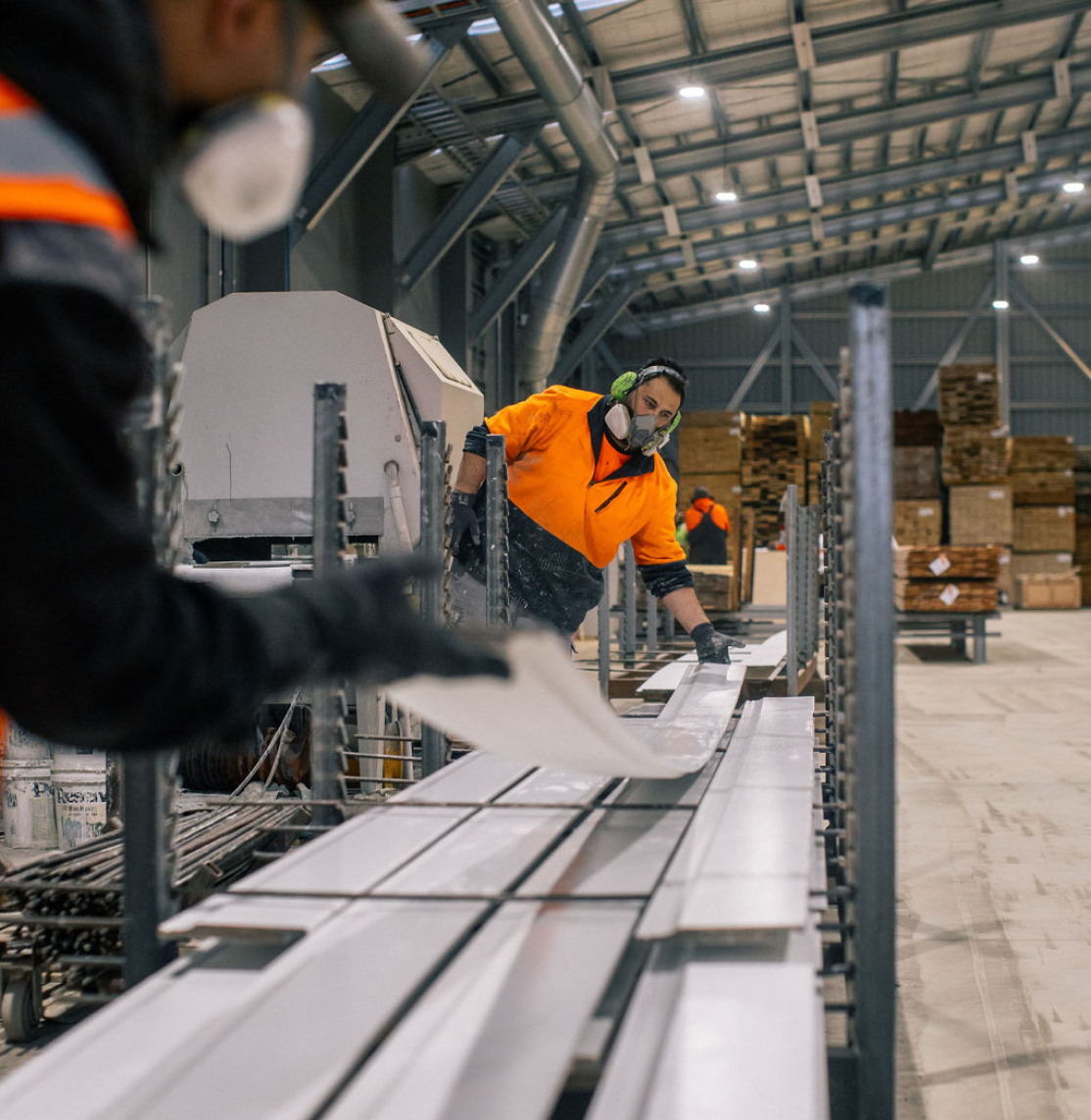
One of Whanganui’s defining economic strengths and a key driver of the district’s export economy. Combining deep engineering capability with practical innovation, enabling businesses to design, manufacture, and deliver high-value products to national and international markets.
2,673
Local manufacturing filled jobs
$261.2m
Annual contribution to GDP
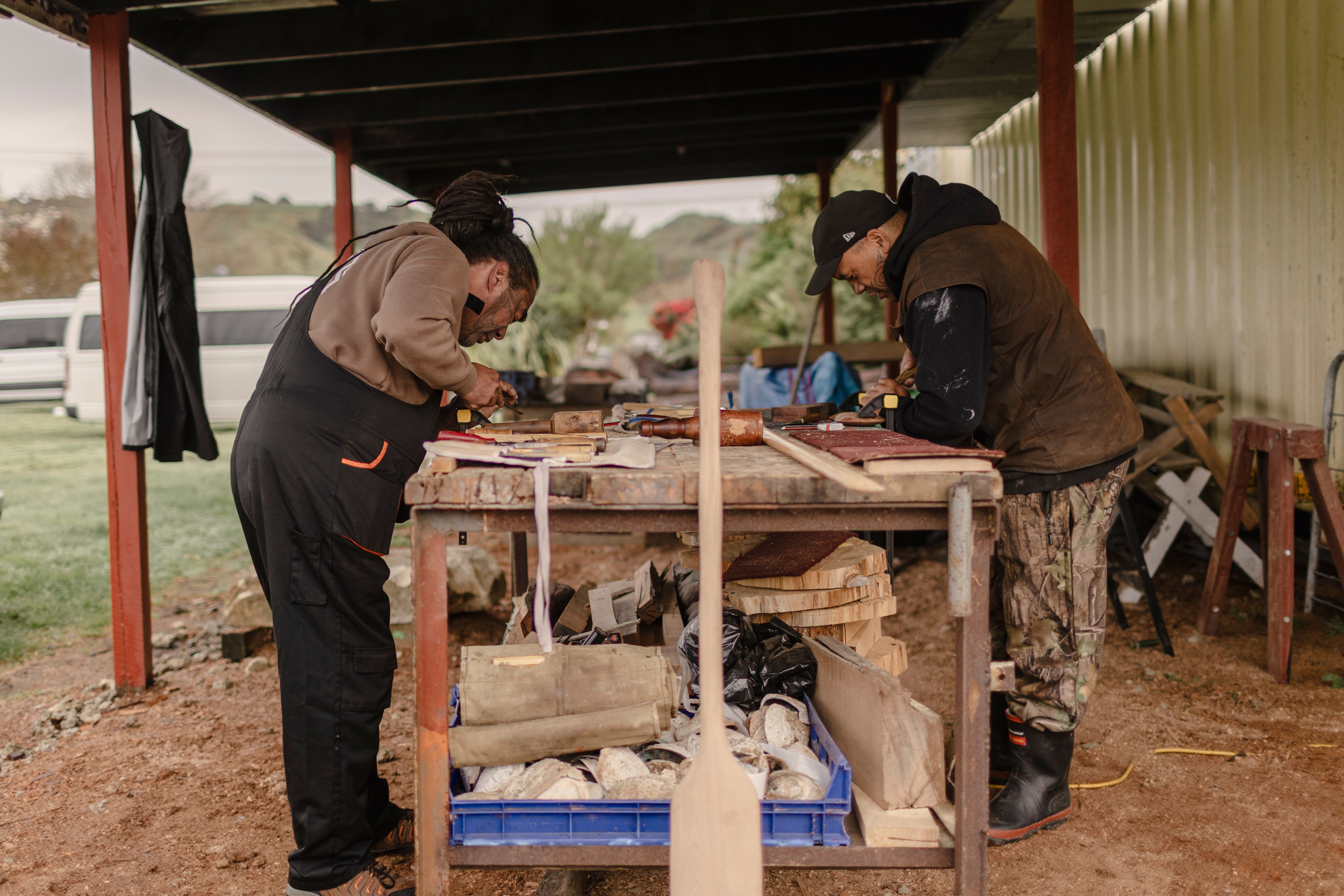

Design Tech is Whanganui's newest sector, coined to reflect the way of thinking the district's growing tech sector is adopting. As New Zealand’s only UNESCO City of Design, this is about applying design thinking frameworks and human-centred methodologies to the development and deployment of technology.
1 in 20
1 in 20 jobs in Whanganui is now a digital, technical, or high-value professional role
1,000+
1000+ specialists contribute ~$149 million in high-value services each year
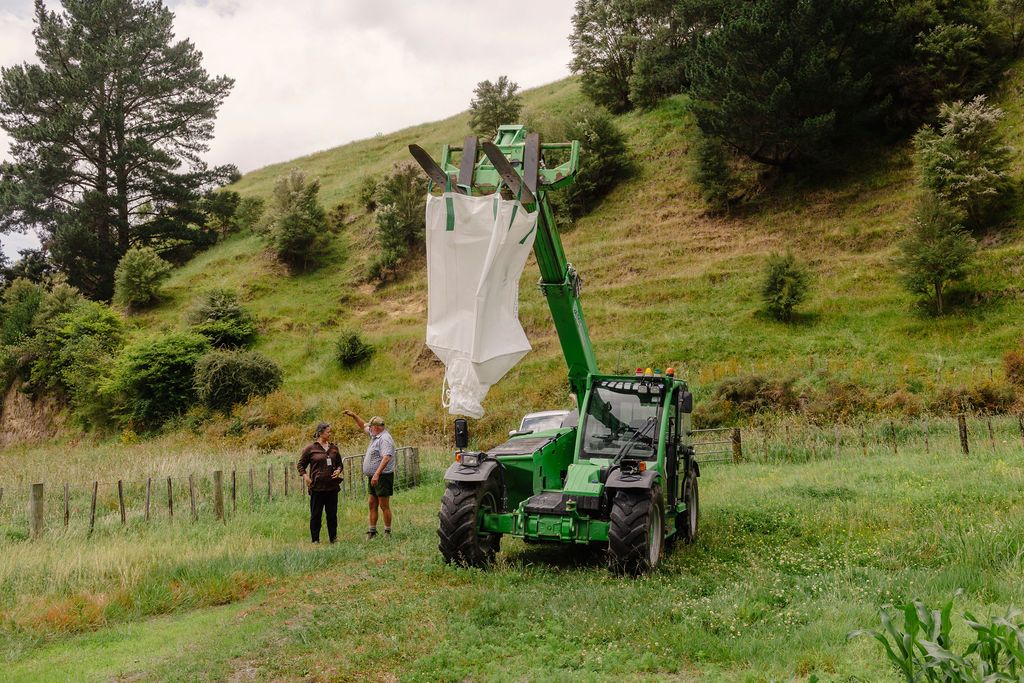
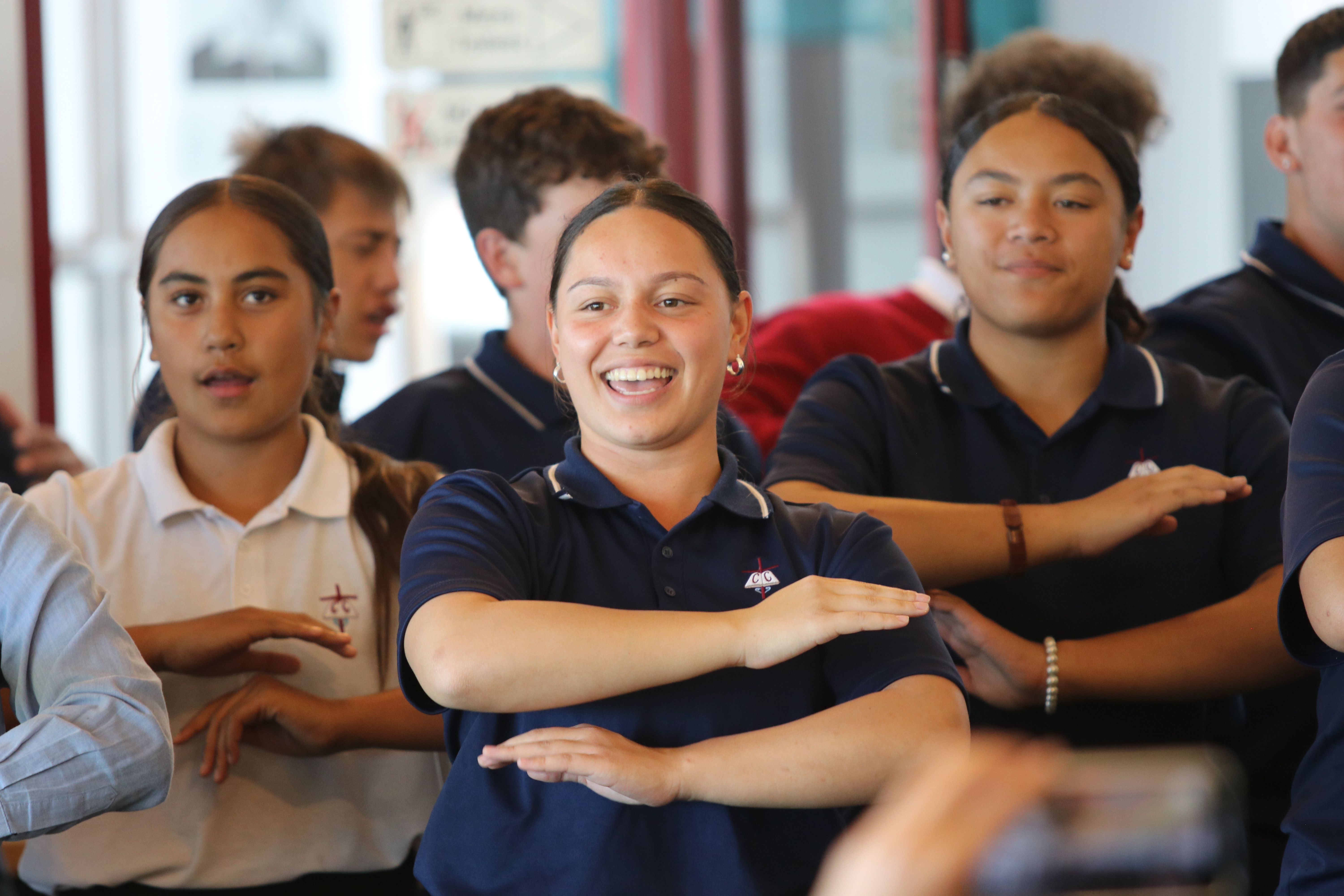
Whanganui offers a compelling proposition for overseas education experiences - with five high-quality secondary schools, tertiary offerings, a safe and compact city layout, and an authentic Kiwi environment where English language skills can be developed.
$4.7m
2025 international education contributed over $4.7 million to the local economy
129
Equivalent fulltime students across 6 Whanganui educational institutions
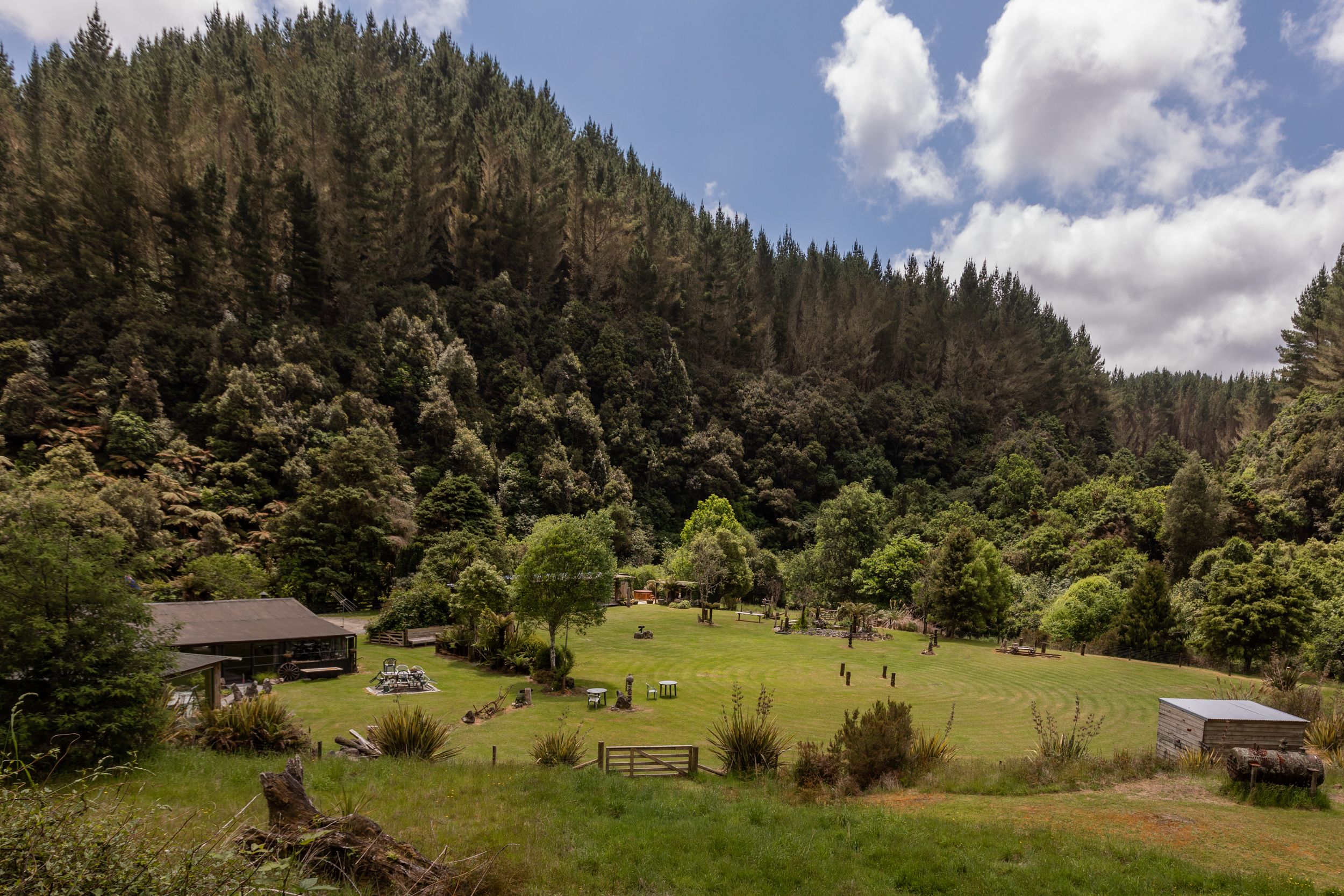
Whanganui’s screen industry is a growing sector, fuelled by the passion and experience of local talent. With just a two-hour drive to the world’s best studios in Wellington, a broad range of experienced crew call the region home.
$3.5b
The screen sector contributes to the New Zealand economy
24,000
24,000 people directly employed by the screen sector
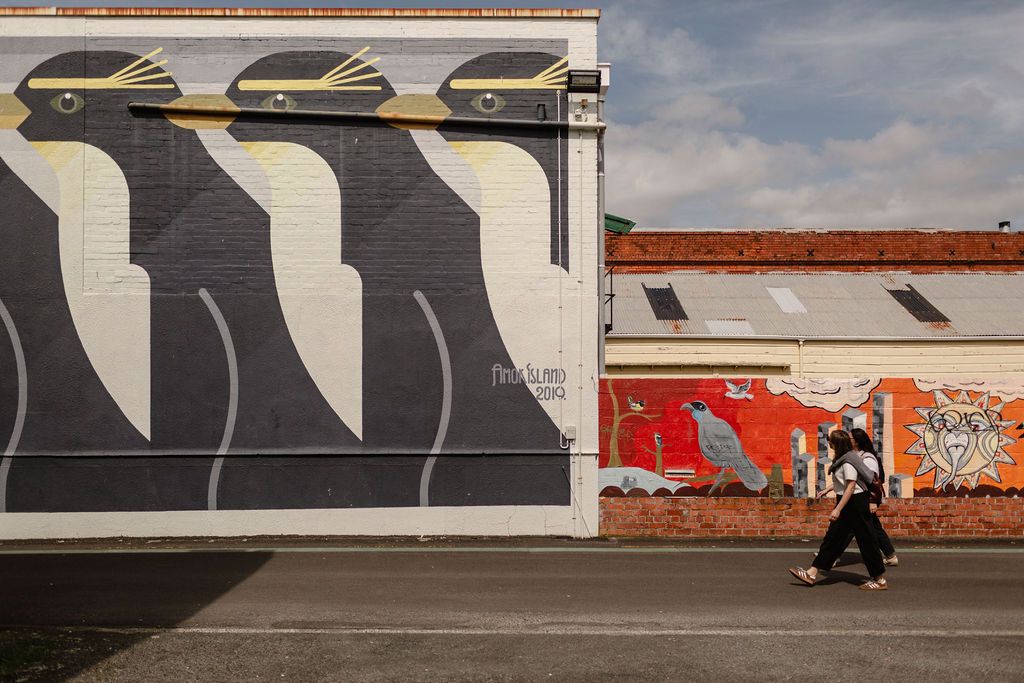
Tourism is a vital part of Whanganui’s economy, contributing $64.7 million annually and supporting a broad network of businesses across the district.
$64.7m
The total GDP contribution from tourism in 2024
$191.8m
Total 2025 visitor spend in Whanganui - an increase of 4.8% on the previous year - while visitor spending across New Zealand remained flat.
If you're looking for a place where collaboration drives results, diversity creates strength and doing business means doing it together – Whanganui might be exactly what you're looking for.
our team
Opportunities grow with discovery and an understanding of how to shape them, this is where we come in.
We can support businesses, investors and communities by giving direction for opportunities and relationships that form a path of growth.

Tim Easton
Team Lead
Tim heads up the team at Whanganui & Partners helping deliver a coordinated programme of work across all sectors and stakeholders.

Emma Bugden
Creative Industries
Emma works directly with artists and creative workers to make Whanganui a place where creatives thrive.

Eilish Horrocks
Market Development
Eilish works to position Whanganui as a compelling investment destination, developing targeted strategies to attract the right investment and drive sustainable growth across the district.

Rach Hoskin
Education & Technology
Rach works closely with education providers and industry to make sure that the right training and educational opportunities are available to build the skills that our economy needs.

Colleen Ervine
Agribusiness
Colleen works with agribusiness stakeholders to develop strategies and initiatives that will develop our region into a food and fibre powerhouse.

Suz Hepi
Regional Growth
Suz works with iwi, business, and industry partners to deliver projects that support regional growth across Ruapehu.
Tim Easton
Team Lead
Tim heads up the team at Whanganui & Partners helping deliver a coordinated programme of work across all sectors and stakeholders.
Emma Bugden
Creative Industries
Emma works directly with artists and creative workers to make Whanganui a place where creatives thrive.
Eilish Horrocks
Market Development
Eilish works to position Whanganui as a compelling investment destination, developing targeted strategies to attract the right investment and drive sustainable growth across the district.
Rach Hoskin
Education & Technology
Rach works closely with education providers and industry to make sure that the right training and educational opportunities are available to build the skills that our economy needs.
Colleen Ervine
Agribusiness
Colleen works with agribusiness stakeholders to develop strategies and initiatives that will develop our region into a food and fibre powerhouse.
Suz Hepi
Regional Growth
Suz works with iwi, business, and industry partners to deliver projects that support regional growth across Ruapehu.
15 January 2026
Food, Fibre & Beverage
23 February 2026
International Education
10 November 2025
Creative Industries
15 January 2026
Food, Fibre & Beverage
23 February 2026
International Education
10 November 2025
Creative Industries