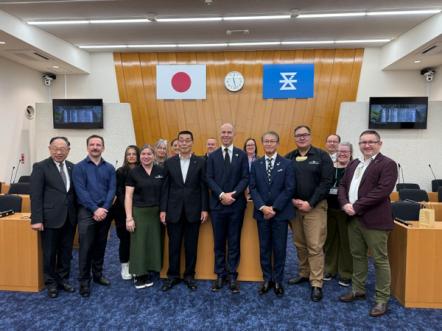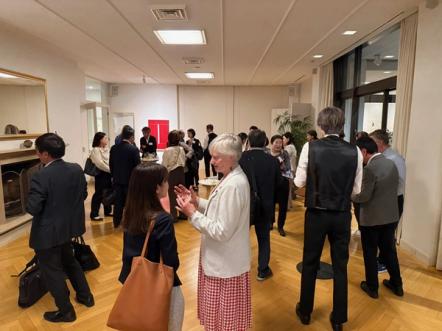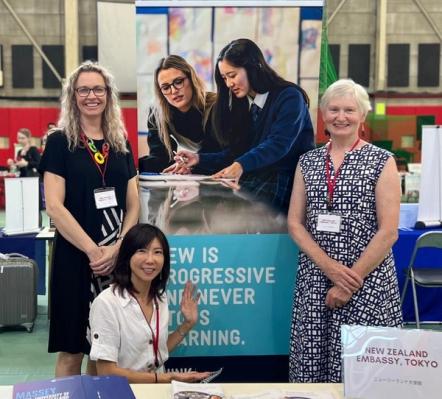
Four delegations from Tsuruoka, Nagaizumi, Ichihara City, and the Tokyo Board of Education travelled to Whanganui to experience Kiwi culture, a New Zealand high school education, and internship opportunities with local Whanganui businesses.
Team Lead at Whanganui & Partners, Tim Easton, says these visits are a significant win for Whanganui.
“The international education sector currently contributes $4.5 million annually to Whanganui’s economy.
“Beyond direct community spending into the accommodation, hospitality, retail, and tourism sectors, these visits create opportunities for local businesses, schools, and cultural organisations to build long-term relationships with real economic value.”
Easton says with our export economy firmly bedded in primary industries and our UNESCO City of Design designation, Whanganui is an appealing district for such visits.
“This time the Tokyo Board of Education selected Whanganui as the sole destination for their New Zealand experience.
“This decision endorses Whanganui’s creative industries, inclusive education approach, and community-led learning initiatives.”
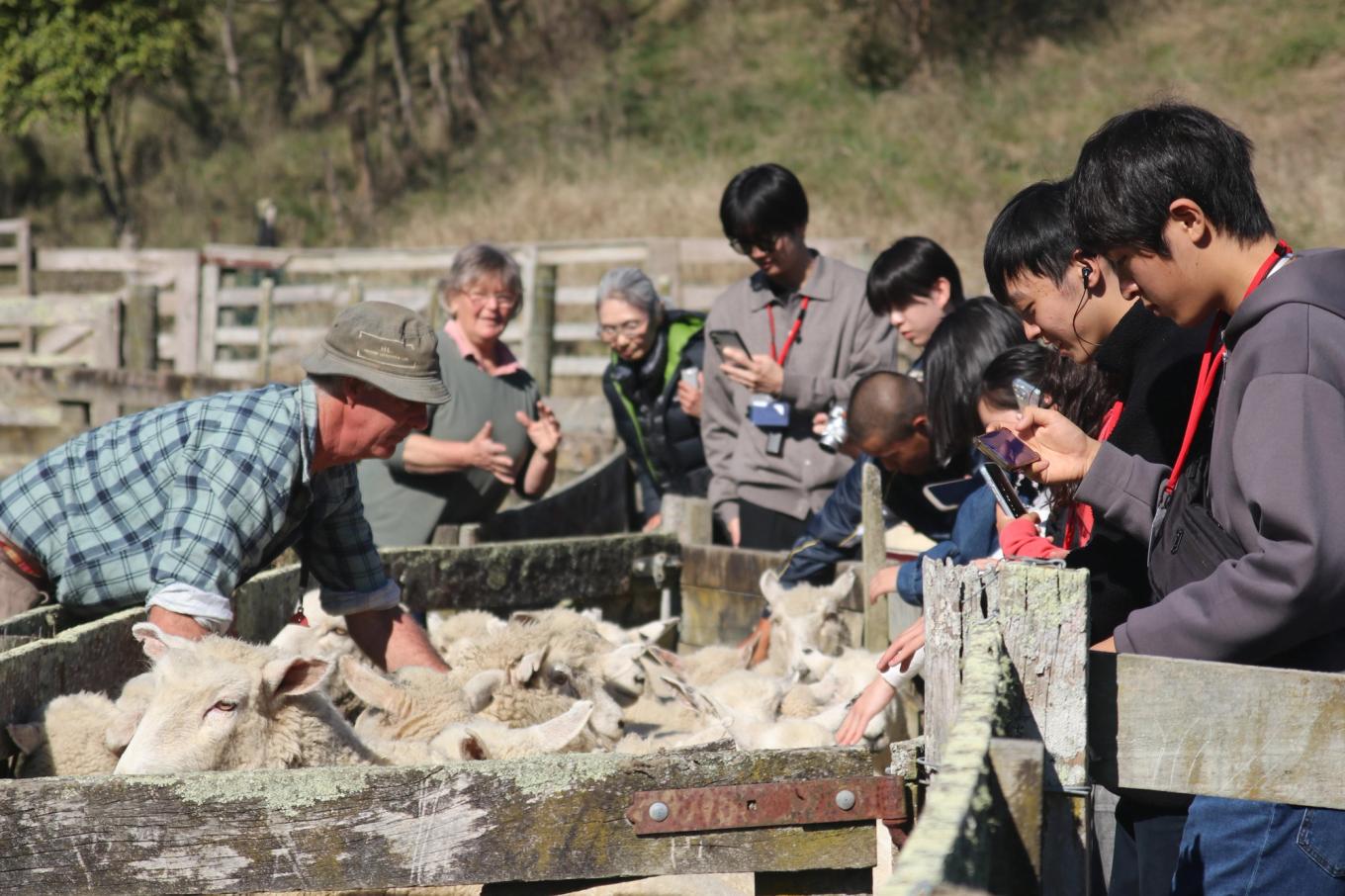
Easton says the group included visits to a sheep farm, dairy farm and milk farm in their programme, with the urban city students excited to experience the real New Zealand.
Ichihara City’s students spent 10 days at Cullinane College, building on relationships the cities have established over several years.
Cullinane College Principal, Tony McBride, says this kind of exchange is invaluable.
“Our students gain a global perspective, and the relationships we build with Japanese schools open up new learning and travel opportunities. It's a real privilege to host these young people and see the connections grow."
Interns from Tsuruoka College were given hands-on experience by Karatu Honey and UCOL in developing manuka honey products for Japanese markets, demonstrating practical industry connections.
Whanganui District Council, Tsuruoka (Kosen) Institute of Technology and UCOL share a Memorandum of Understanding that supports this initiative, enabling ongoing internships, joint research, and new programme development.
The annual visit from a Nagaizumi delegation continues Whanganui’s sister city tradition, with students from three Japanese secondary schools experiencing local life through homestays, school immersion, and cultural activities including a pōwhiri at Te Ao Hou Marae and horse riding at Kai Iwi Beach.
“These visits are highly beneficial for Whanganui and our target is to increase the amount the international education sector contributes to our district from $4.5 million to $6 million annually by 2028.”
This fits with the government's International Education Going for Growth Plan, which aims to increase the national sector's contribution to $7.2 billion by 2034.
“August's successful hosting demonstrates Whanganui's growing reputation as a preferred destination for international educational partnerships, positioning the district to capture increasing opportunities in this high-value sector,” Easton says.