"
Playground Centre began with a foundational belief: play is how people learn to belong. In the early days, the focus wasn’t on equipment catalogues but on listening to schools, councils, and communities about what their spaces could become. This collaborative approach naturally evolved into designing bespoke environments that respond to their cultural, social, and physical context. Spaces became more inclusive, more layered. Playgrounds weren’t just for children anymore; they became intergenerational hubs, places where families and neighbourhoods connect.
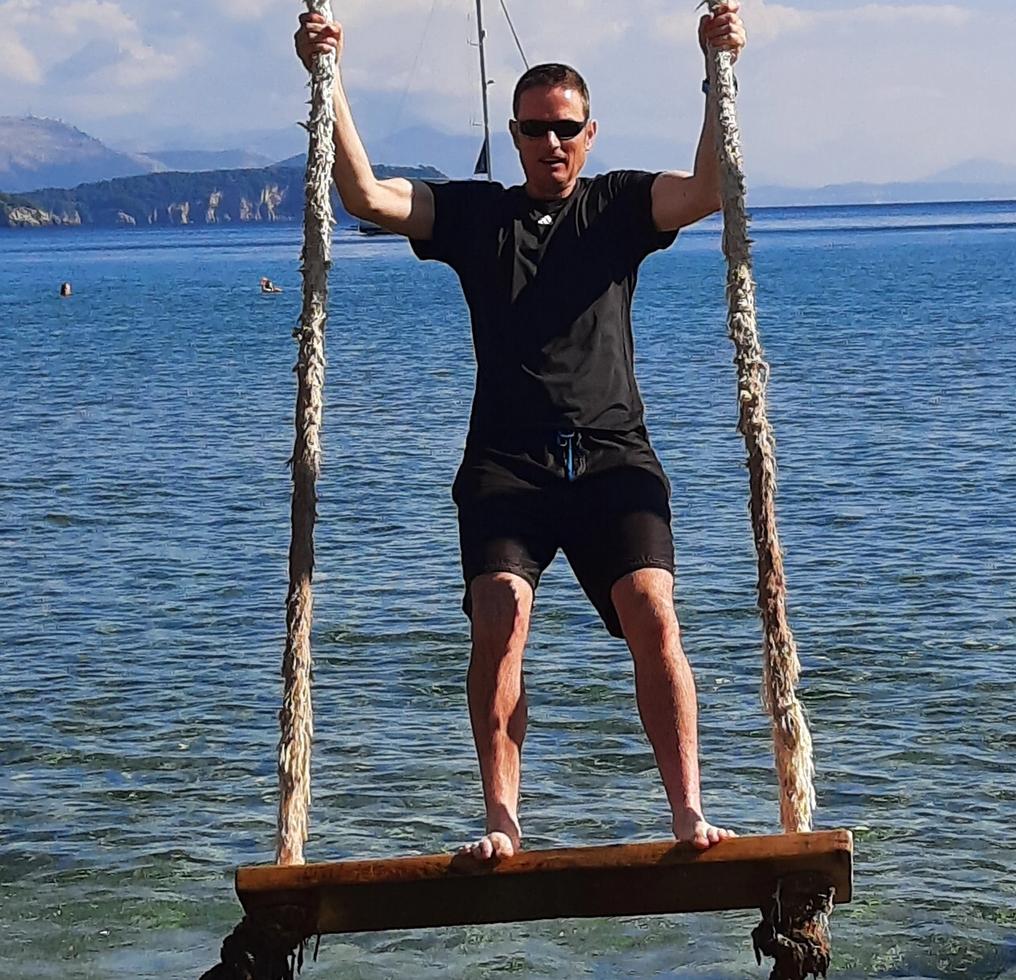
Having two very active kids has meant countless hours playing at and observing playgrounds, both here and overseas. You see what truly engages people, what invites curiosity and what gets ignored. That hands-on understanding shapes everything I do.
My background in lean manufacturing and qualifications as a Chartered Professional Engineer, with specialist expertise in playground design means I can turn customers’ ideas into cost-effective, compliant solutions. But sometimes the best solutions come from trusting your instincts.
The Western Park towers project proved that. Time frames were incredibly tight, so we didn’t have time for proper manufacturing drawings. The towers were built largely from my hand sketches, with engineering calculations done on the same pages. We have a phrase for moments like that: “winging it with experience”. Sometimes we get tied down with processes and forget the client doesn’t care about internal workflows – they want on-time, on-budget, high-quality results. Those angled towers, designed to resemble bird nests set amongst the trees, showcased what’s possible when you trust what you know and make it happen.
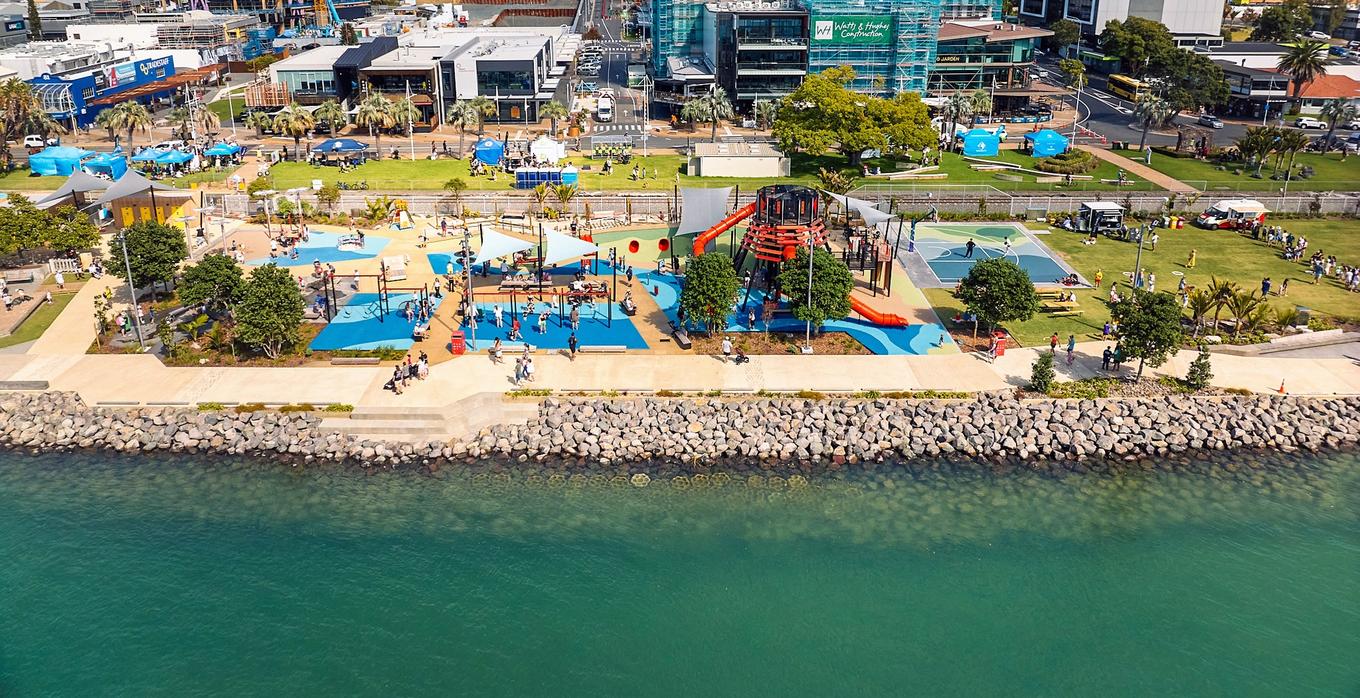
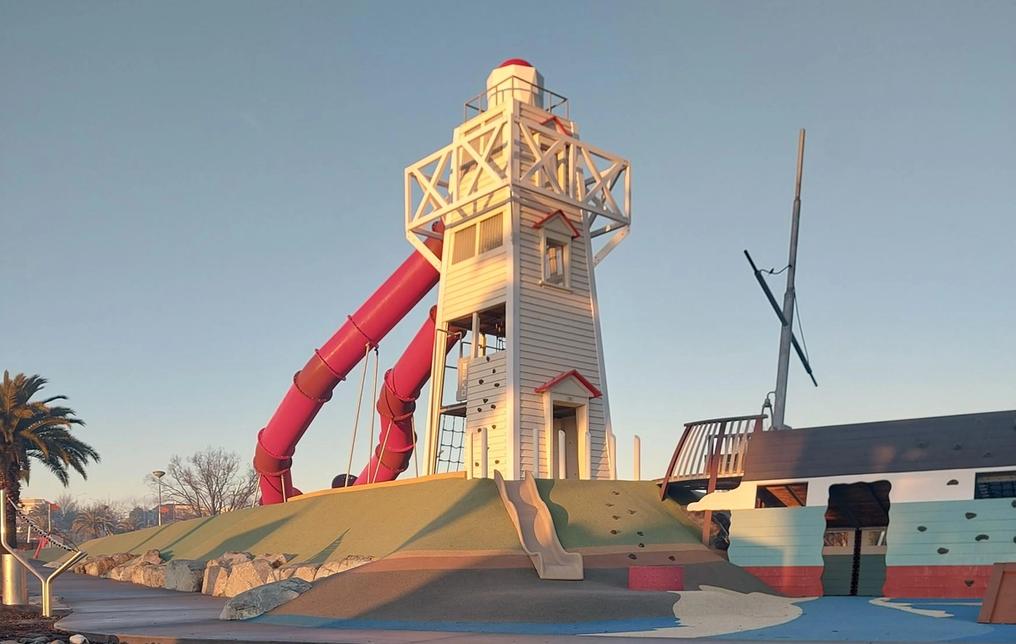
That same collaborative spirit shaped the Caroline Bay project, where we worked closely with CPLAY, a community-led team incredibly passionate about telling the story of early settlers and Māori history.
Together, we designed and built Blackett’s Lighthouse and the Benvenue shipwreck, bespoke structures that honour local narratives while meeting rigorous compliance standards. The community had the vision, and we brought the capability to make it real.
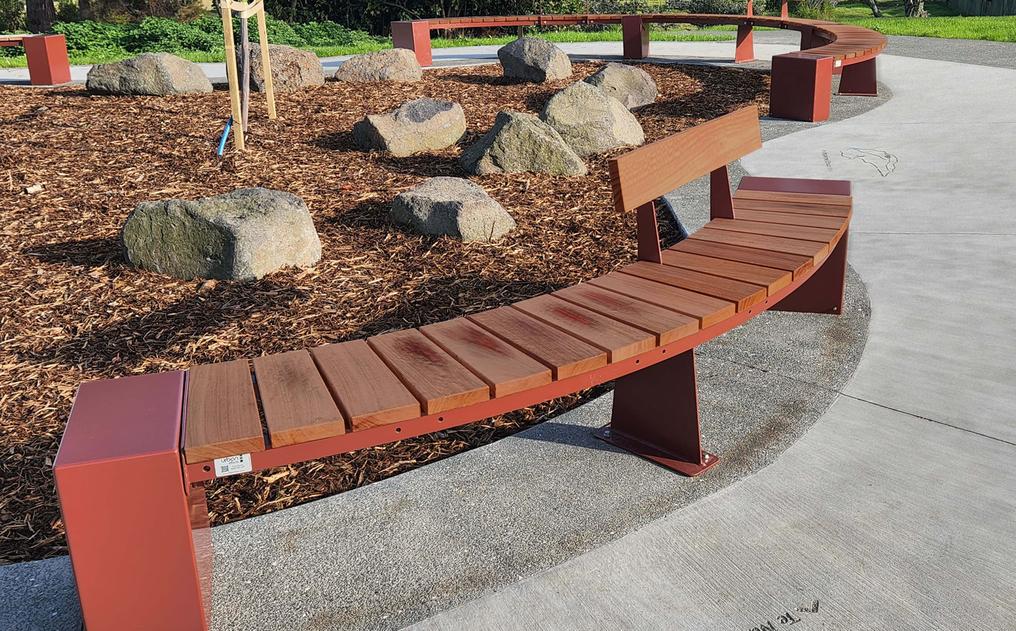
The Legend furniture range for Urban Effects came from a different kind of challenge: bridging the gap between bespoke public space design and off-the shelf street furniture. We wanted a modular system that was adaptable, durable, and timeless while still allowing spaces to express local identity. The collection includes pieces that first appeared as prototypes in my own home, where we experimented with concrete forms and mixes to achieve distinctive polished finishes. A real moment of pride was when my team decided to name the range Legend, in honour of my contribution to the company.
Operating from Whanganui brings distinct advantages. Being from a smaller centre gives you a can-do attitude. It probably stems from farming culture, where you just make things happen. Our production team is highly skilled and takes immense pride in creating products that last. Whanganui’s designation as a UNESCO City of Design showcases the local talent often hidden under the radar and gives us a platform to share it globally.
Whatever the project, the thread is the same: good design quietly supports how people gather, pause, and connect. The everyday spaces people move through shape how a city feels and how communities form. Our work proves that where you’re from matters and that sometimes the best solutions are built one prototype at a time.
Reveal the secrets to creating great playgrounds here.