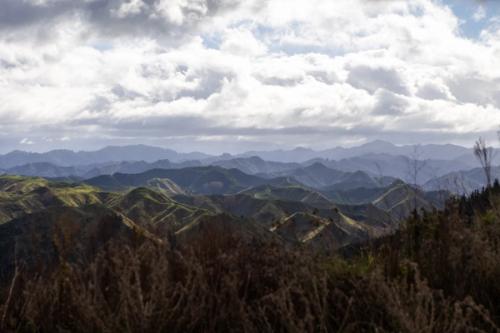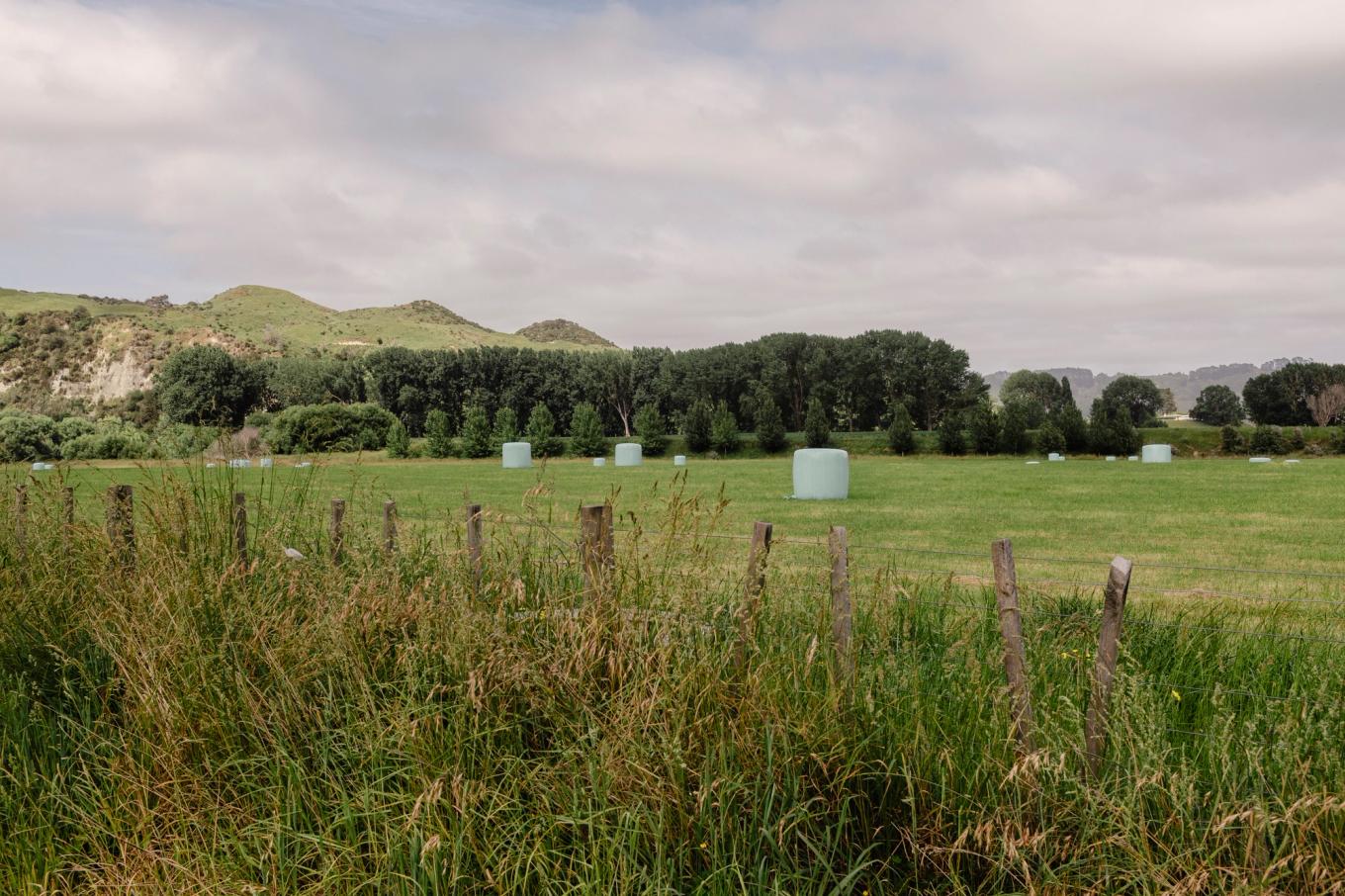
Whanganui is positioned at the intersection of two significant global shifts: New Zealand's need to dramatically increase renewable electricity generation, and international demand for green energy in its many forms. Whanganui and the wider Whanganui-Manawatū region are well placed to make the most of this opportunity with abundant wind and solar resources, established transmission infrastructure, and more than 2,000MW of generation already signalled.
What is driving the renewable energy trend?
The renewable energy opportunity in Whanganui isn't driven by one trend but instead is the product of two separate, but reinforcing, pressures landing in the same place at the same time.
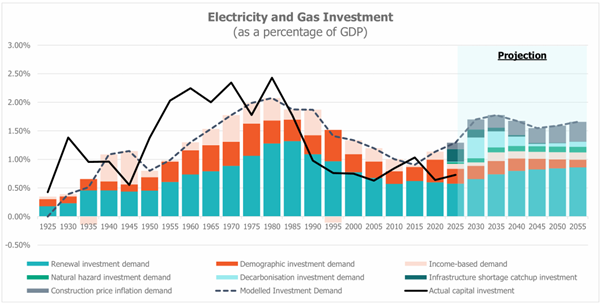
The combined picture of these two needs marks a once-in-a-generation infrastructure build, and Whanganui sits in the middle of it.
Why Manawatū-Whanganui for renewable energy?
Globally, energy-intensive industries are increasingly locating near energy sources, and this pattern is emerging across primary processing, data centres, hydrogen production, and synthetic fuels. Our region has world-class wind and solar resources and it has the transmission infrastructure, land, and industrial base to back them up.
Location is the main strategic asset with consistent coastal and ridge winds, abundant sunshine hours for utility-scale solar, and vast expanses of flat land close to national grid infrastructure. These advantages have already been identified to offer more than 2,000MW of renewable generation.
For example, two recent feasibility studies identified both for the region's strong wind potential, or the concentration of forests as an opportunity for conversion of woody biomass into energy products.
Projects have already been moving in the region since 2021
The development pipeline is real and advancing with 1.7GW worth of energy planned.
The Waiinu Energy Park (480MW) - Meridian Energy is actively considering a site northwest of Whanganui for a potential wind farm, solar energy, and battery development, with the potential to power up to 230,000 homes. Meridian, New Zealand's largest renewable generator, has committed over $1 billion across New Zealand in new capacity in the past five years, with a further $2 billion planned in the three years ahead.
The Santoft Wind Farm (350MW) and Bunnythorpe Energy Park (400MW) are also both in early-stage investigation, adding to a regional generation pipeline of considerable scale.
The Harakeke project is a co-development with Hiringa Energy and Ngā Wairiki Ngāti Apa for a large-scale, integrated wind and solar to green hydrogen and methanol production - 280MW of wind and solar feeding 15,000 tonnes of green hydrogen per annum and 90,000 tonnes of green methanol per annum.
The Marton Solar Farm (65MW), with construction expected to being in 2026, and the Waipipi windfarm (113MW), with construction completed in 2021.
Together these round out a pipeline that represents approximately 1.7GW of generation. To put that in context: that's the equivalent of 19 times Whanganui's current electricity consumption.
The focus areas for future development
To support actively capturing value from the energy transition, there are three key focus areas identified under the Future Energy portfolio:
Wind and solar development - utility-scale wind and solar development in identified high-wind zones, staged to grid capacity and anchored to real offtake demand.
Synthetic fuel production - a renewable energy and biomass platform for producing green methanol and other low-emissions fuels, targeting domestic decarbonisation and emerging export markets.
A regional data centre hub - non-latency-sensitive AI and HPC workloads, positioned to take advantage of Whanganui's renewable energy and stable operating environment.
Together, these represent a potential 6.6TWh of annual wind energy generation being directed toward specific, productive economic use.
How do we unlock the renewable energy opportunity in Whanganui?
Economic growth from this transition is not automatic and requires the region to get ahead of the investment cycle - to align around a shared view of what a good outcome looks like, and to secure the key levers: land, infrastructure, technology, workforce, and commitment.
Whether you're an investor, an energy developer, a manufacturer exploring energy transition, or a business thinking about what the region's renewable future means for your operations, the conversation is taking place, and Whanganui & Partners can help navigate and connect the right people together.