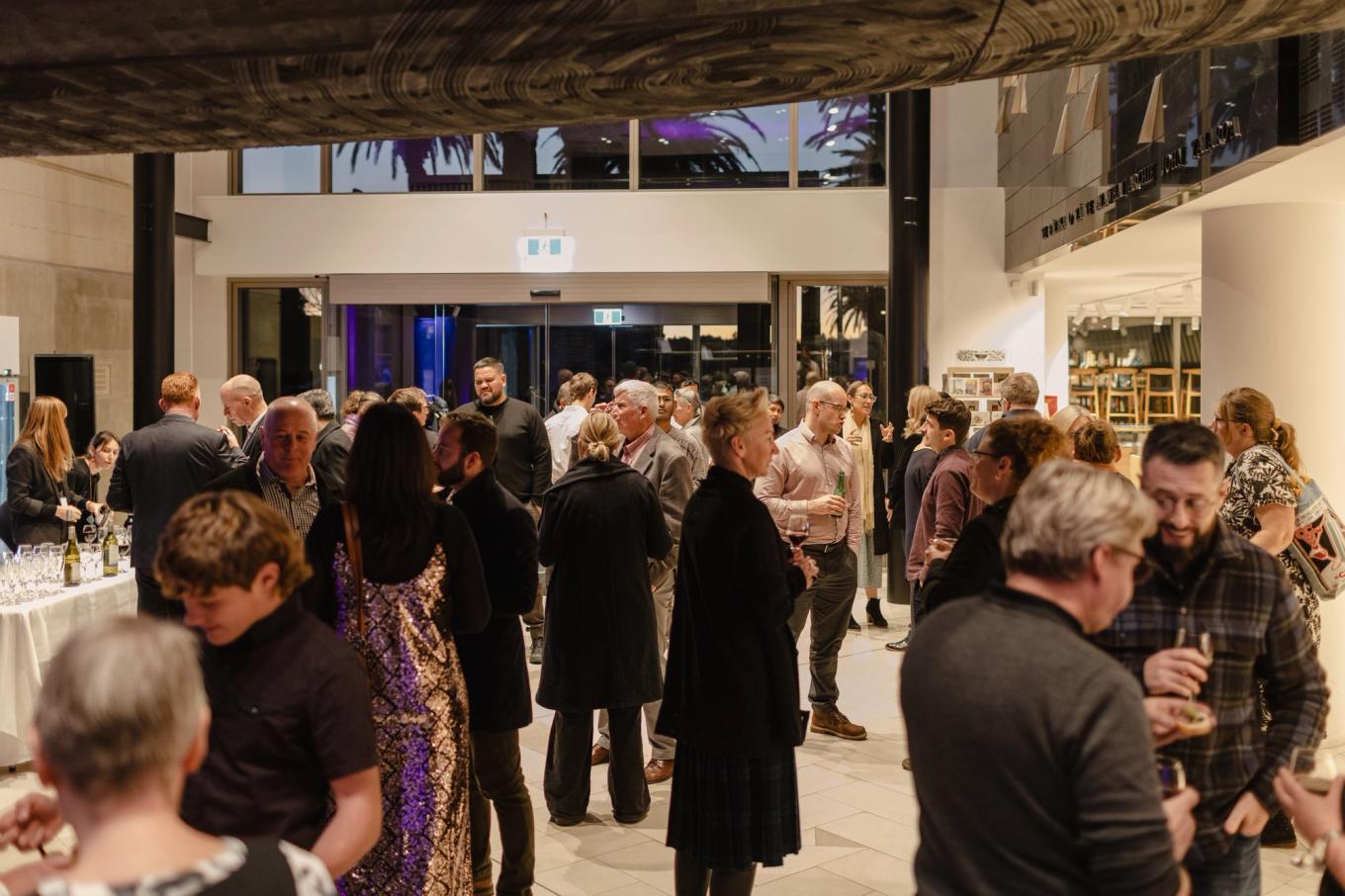
If you're considering entering the Whanganui market, the first thing worth understanding is that this isn't a place where business operates in silos. The ecosystem here is deliberately connected, and knowing how it's structured will save you time and open doors faster.
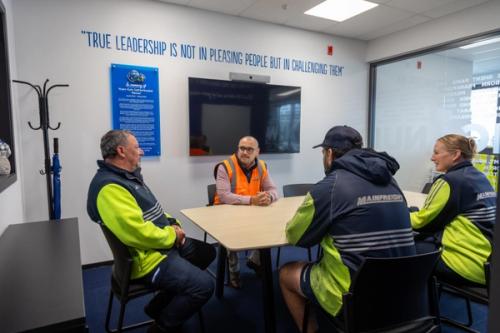
A city of 50,000 with an outsized economic footprint
Whanganui is a city of around 50,000 people in New Zealand's lower North Island, but its economic profile punches well above that size. It ranks in the top third nationally for exports. Its creative industries contribute $75.9 million to GDP. Advanced manufacturing - one of the district's most established sectors - accounts for $261.2 million in annual GDP and supports over 2,600 jobs. Tourism generated $191.8 million in visitor spend in 2025, growing 4.8% while national spending remained flat.
These statistics reflect an economy that is diversified across sectors. For an investor or fund allocator looking to understand the opportunity, that diversity signals multiple entry points and multiple ways sectors can compound on each other.
What makes Whanganui different?
What makes Whanganui genuinely distinctive isn't any single sector but the way in which the city approaches problems. In 2021, Whanganui was designated New Zealand's only UNESCO City of Design, one of just 49 such cities globally. This designation is awarded to places that reflect a consistent, documented approach to tackling challenges through listening, iteration, and collaboration.
That same philosophy produced a landmark in 2017 when the Whanganui River became the first in the world to receive legal personhood. This is a framework co-designed with iwi that required entirely new legal thinking.
These two achievements are worth holding together as they tell you that Whanganui has a track record of doing things that haven't been done before and doing them by bringing the right people to the table rather than forcing solutions from the top down.
For investors and fund allocators, this matters because the people you'll be working with here are experienced at navigating complexity and building consensus. That is a practical advantage when you're trying to move a deal or a partnership forward in an unfamiliar market.
How to understand the role of iwi
For many investors coming into Aotearoa, whether from overseas or elsewhere within New Zealand — understanding the role of iwi is an important starting point. Too often, iwi are viewed only through a cultural lens, when in reality they are also significant economic actors with deep intergenerational interests in the regions they represent.
Iwi across New Zealand are active participants in the economy as landowners, employers, investors, governance entities, and strategic partners. They hold substantial asset bases and are involved across sectors including infrastructure, tourism, primary industries, energy, housing, environmental management, and regional development. What underpins this involvement is a long-term view where decisions are often made not just for immediate return, but for the wellbeing of future generations.
At the centre of this is whanaungatanga — the importance of relationships, trust, and shared purpose. Successful engagement with iwi is rarely transactional. It is built through genuine connection, mutual respect, and taking the time to understand aspirations and values alongside commercial outcomes. Agencies such as NZTE and Invest New Zealand increasingly recognise this and now actively support investors to better understand how to engage meaningfully with Māori and iwi partners. The reality is simple: projects that invest in relationships early tend to move further, faster, and with stronger long-term support.
It is also important to recognise that iwi structures, priorities, and influence differ significantly across the country. There is no single model of engagement that applies everywhere. Whanganui has its own distinct iwi landscape and history, and that context matters.
Within the Whanganui district, iwi play a central role in shaping the future of the region. Key iwi entities including Ngā Tāngata Tiaki, Ngā Wairiki Ngāti Apa, Te Rūnanga ō Tupoho, and Ngā Rauru Kītahi each operate independently with their own governance arrangements, strategic priorities, and areas of commercial and environmental interest. Their involvement spans whenua Māori, freshwater, infrastructure, tourism, resource management, environmental restoration, and broader economic development.
A defining example of iwi leadership in Whanganui is the recognition of Whanganui River as a legal person in 2017 — the first river in the world to receive this status. The outcome reflected years of partnership, negotiation, and a uniquely local approach to balancing economic, environmental, and cultural interests. It demonstrated what can be achieved when iwi are engaged as genuine partners in shaping long-term outcomes for place and people.
The practical takeaway for investors and businesses is straightforward: engage early and engage properly. Iwi engagement should not sit at the end of a process as a compliance exercise. The strongest projects are usually those that involve iwi from the outset where relationships, shared understanding, and collective aspirations help shape the direction of the work.
No one expects investors to arrive with a complete understanding of every iwi dynamic or historical context. What matters most is the willingness to listen, build relationships authentically, and approach engagement with respect. That foundation goes a long way in Whanganui, where relationships and reputation still matter deeply.
What is the structure of the ecosystem in Whanganui?
Beyond iwi, the ecosystem organises itself across three further layers, and understanding each one helps you figure out who to talk to and when.
Industry-led organisations and local operators are your first port of call for ground-level intelligence. Business Whanganui, the Tech Network, Te Manu Atatū Māori Business Network, Thrive Whanganui, Mainstreet Whanganui, and the Whanganui Indigenous Designers Network each carry sector-specific knowledge and existing relationships. They surface opportunities, shape priorities, and can tell you quickly who the key operators are in any given space.
What those organisations represent is a substantial base of established local businesses across every major sector - advanced manufacturers with export-ready products, food and fibre producers, creative studios, and technology companies. These are functioning businesses with long track records that form the connective tissue of the economy, and the clearest evidence that the sectors are real.
Anchor institutions like UCOL, Ag Training, Land Based Training, and Training For You are some of the organisations that underpin the workforce pipeline that keep the economy running. For investors thinking about capability over the medium term, these institutions are where the talent that will staff your investment is being developed.
Local and central government close the loop. Whanganui District Council, NZTE, Invest New Zealand, Creative New Zealand, and the New Zealand Film Commission are among the agencies that align policy, funding, and delivery. Knowing which lever sits with which agency, and how regional priorities connect to national frameworks, is valuable context to support committing capital.
What does a diverse economy actually mean?
The breadth of sectors in Whanganui creates something that more specialised regional economies don't always have: cross-sector opportunity. A player entering food and fibre might find genuine advantage in the district's design capabilities, both in product development and in export positioning. A tech investor will find a growing design technology sector that is explicitly applying human-centred thinking to how software and services are built, something with real differentiation in a market where generic tech plays are crowded.
The UNESCO City of Design designation also connects Whanganui to a global network of 49 cities. That means this isn't just a local story but there are established channels to international markets, international talent, and international credibility that come with operating here.
Where to start?
One of the most direct paths into this market is through Whanganui & Partners, the economic development agency that works across these layers. Their team includes specialists across agribusiness, creative industries, education and technology, market development, and regional growth. They are a coordination function, and their job is to connect the right people to the right opportunities.
If you want to understand what's possible here, start the conversation with them. The ecosystem is connected enough that one good conversation tends to open several others.