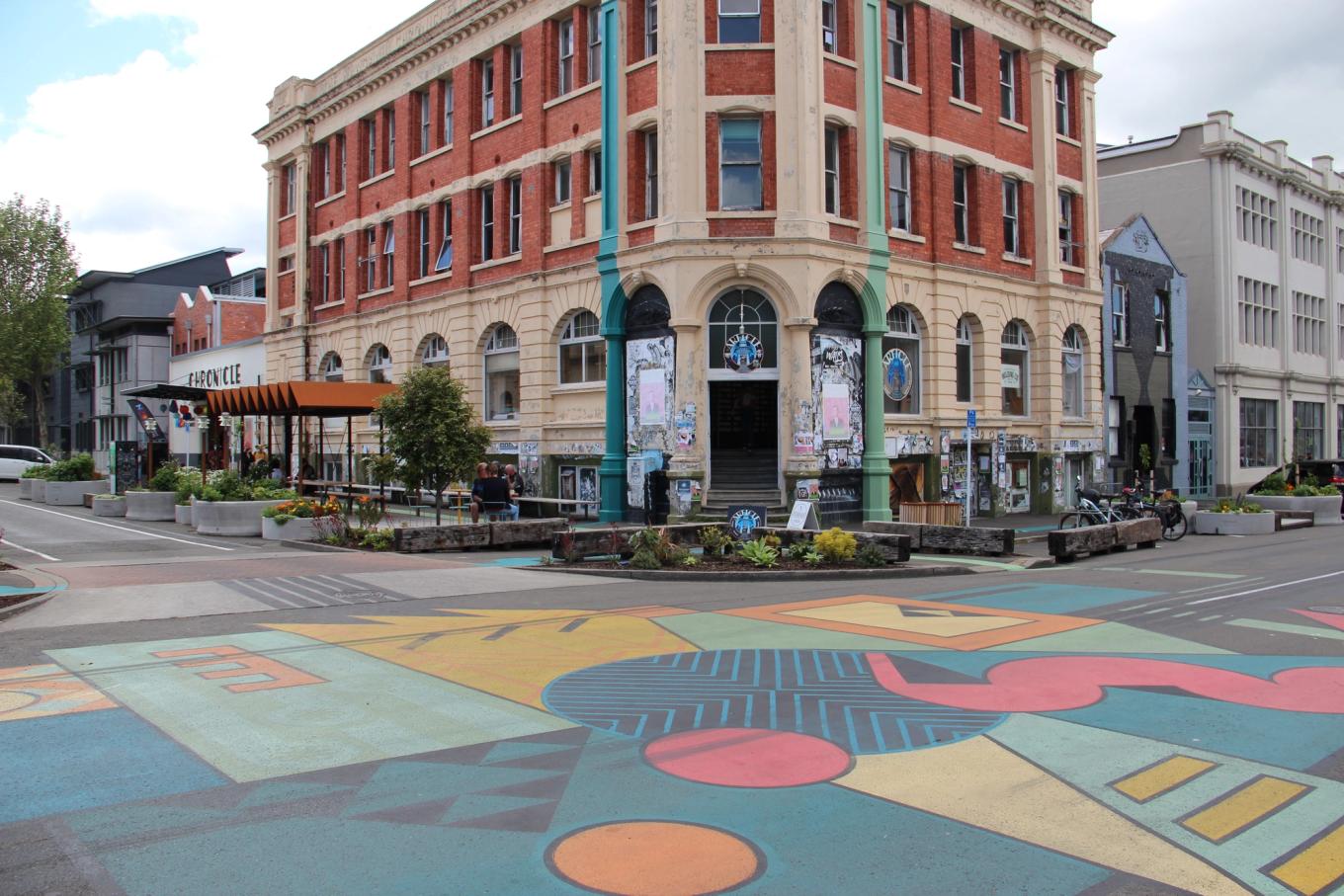
As one of New Zealand’s oldest urban centres, a 19th-century boom left behind a legacy of some of the country’s grandest heritage architecture. From the neo-classical authority of Te Whare o Rehua Sarjeant Gallery to the Royal Whanganui Opera House, the city’s identity is etched in stone. Yet there is a poignant story of Whanganui that lies in its lesser-known bones: the printing houses, social halls, and woolsheds, where a culture of custodianship has turned history into a living part of the present.
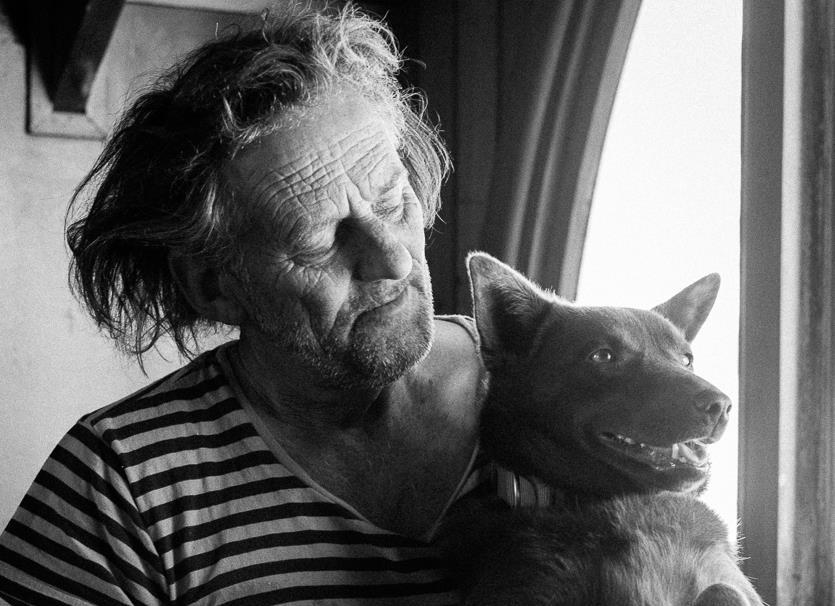
This spirit was defined by people like the late Ross Mitchell-Anyon, a renowned potter and builder who saw the intrinsic value in the city’s industrial skeleton long before it was fashionable. As a potter, Ross understood the tactile nature of form; he saw native timbers and hardwood Jarrah pillars, wood so dense it would explode a drill bit, as the raw clay of the city’s identity. For Ross, preservation wasn’t a calculated plan – it was a relentless passion for restoration. He was fascinated by historical relics, often incorporating salvaged artefacts into his own home, a space that became an evolving work of art.
When industry ebbed away, Ross stepped in to prioritise cultural activation over demolition. He purchased buildings, such as the former Chronicle newspaper headquarters on Drews Avenue, simply to save them from being levelled. His relentless passion ensured that Whanganui’s architectural history remained a canvas for the next generation. It is this specific intersection of passion, preservation, and a resulting community of makers that earned the city its global distinction as New Zealand’s only UNESCO City of Design.
Today, that mantle has been passed on to his family, including son, Jack Mitchell-Anyon, who now serves as the custodian of the four-storey Chronicle building. As New Zealand’s first printing house, the building is what Jack calls a “bastion of former glory”, but in his hands it is anything but a museum. Having spent his formative years running creative ventures in these spaces, Jack views the building as a laboratory for modern life. For him, the “coolness” of the heritage is inseparable from the people who inhabit it. He sees his role not just as a landlord but as a protector of the “creative flow” that keeps Whanganui from becoming just another provincial town.
This philosophy has fostered a collection of shared spaces where design drives growth. Continuing the ethos of buildings attracting good custodians, artists Emma Camden and David Murray transformed the former Masonic Lodge into a home and studio blending the contemporary with history, including the addition of an indoor half-pipe skate ramp. In another part of the city, the former Gonville Pools, which once faced the wrecking ball, found new protectors in creatives Emma Bugden and Frank Stark. Today, it thrives as a family home, gardener’s haven (utilising the expanse of the leaking main pool), and research centre. Outlying buildings are part of the creative vibe, a far cry from the “cookie-cutter” developments that often threaten provincial character.
Whanganui is now a magnet for a new wave of talent seeking the fulfilment that anonymous cities lack. From independent professionals to active visionaries, people are choosing Whanganui because its historic heart offers a competitive advantage. It is a place small enough for deep connection and mature enough for collaboration. The groundwork has been laid by those who cared enough to keep the city standing; now, the opportunity is to activate it. In this city, the past isn’t just owned. It is designed for the future
Listen to Jack talk about his Dad here