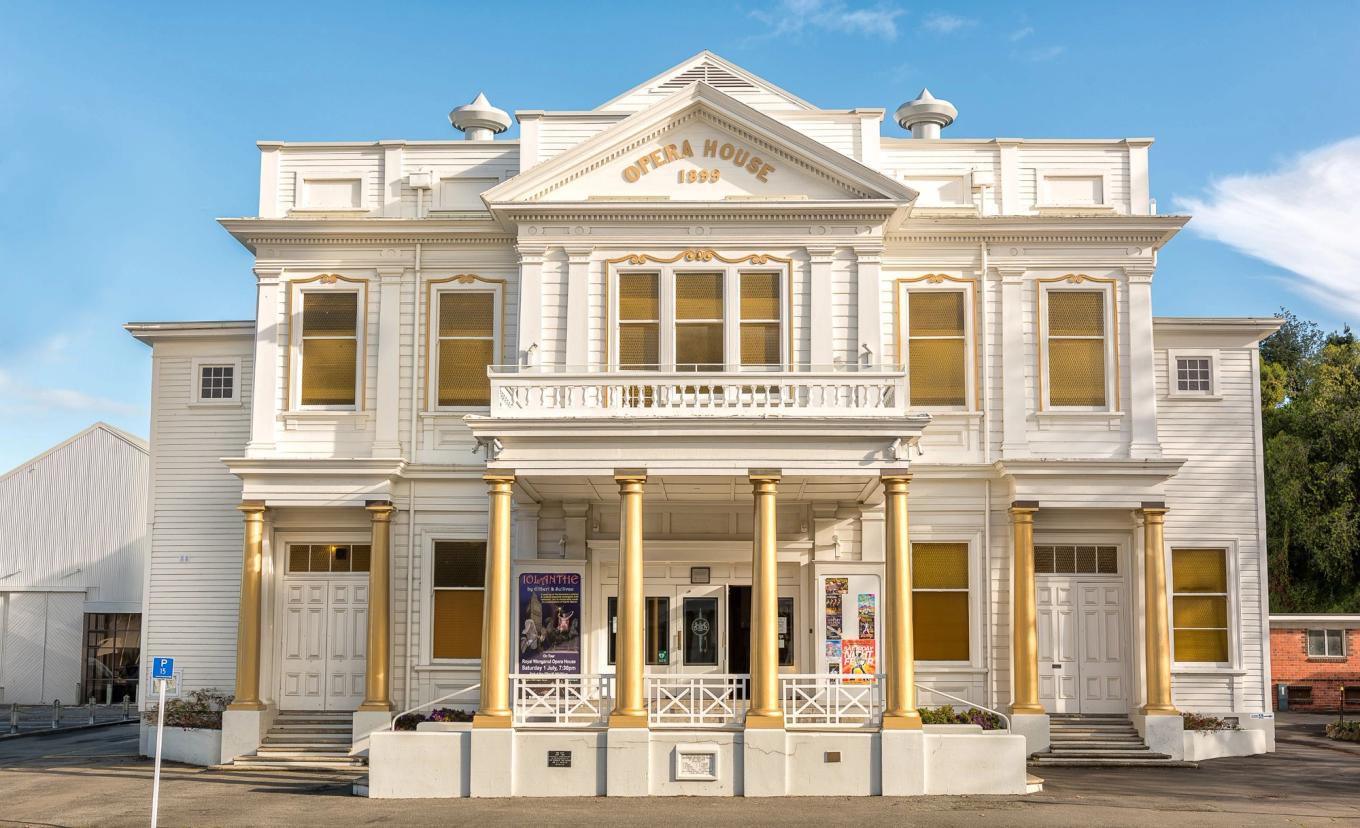
The Royal Whanganui Opera House stands today as both a rare architectural survivor and a living cultural engine at the heart of Whanganui. Opened in 1900, it is now recognised as New Zealand’s last continually operating Victorian theatre and the only theatre to be granted Royal Charter.
Architecturally, the Opera House reflects the civic grandeur of late Victorian design and employs the classical language of the Tuscan order on the lower level and the Doric on the upper, aligning the theatre visually with the neighbouring Council Chambers.
Although constructed largely in timber, the building rests on massive concrete foundations, with plastered interior walls and an imposing street façade that still announces its presence on St Hill Street. Unusually for the period, the Opera House was fitted with electric lighting from the outset, underlining its status as a technologically progressive venue.
Over the 20th century, the Opera House has adapted to survive and been shaped by practical upgrades and extensions. Those changes read like a timeline of civic progress, safety, comfort, access, and the shifting choreography between audience and performance. Its ongoing use reflects a broader design philosophy in Whanganui: heritage as infrastructure for contemporary creativity. The building connects past and present, craftsmanship and innovation, local identity and international cultural exchange.
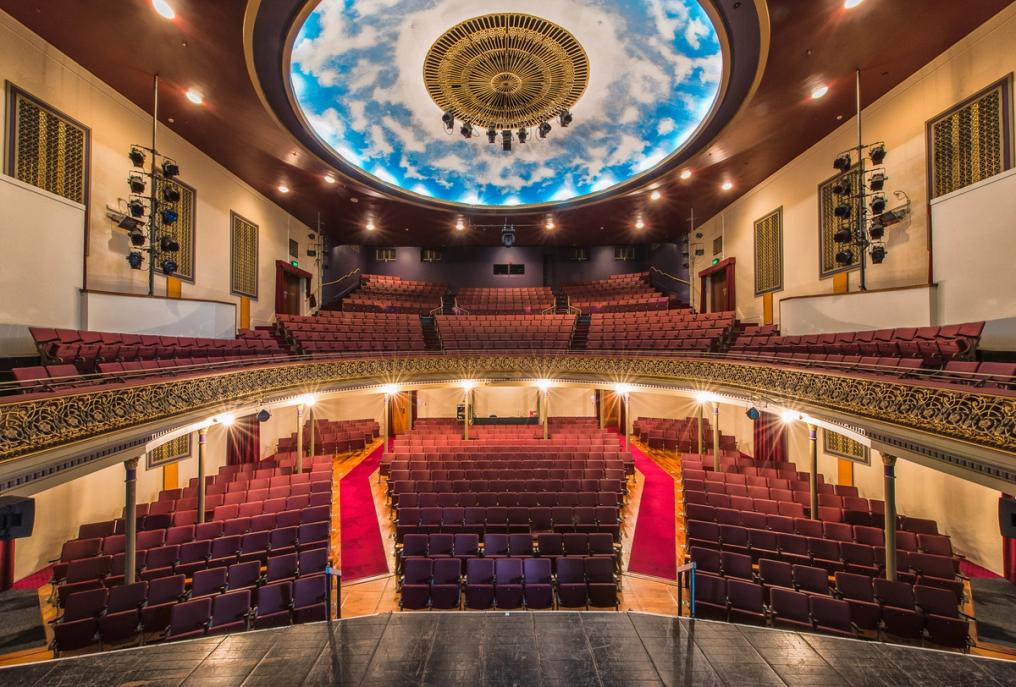
Today, the Opera House plays a central role in Whanganui’s design ecosystem, yet the building now faces a challenge familiar across New Zealand and sits at a pivotal moment in its design life cycle. Recent feasibility studies have opened up a spectrum of possible futures, from modest upgrades to major structural interventions.
In a City of Design context, the Opera House becomes a test case: can this 19th-century theatre be reimagined for 21st-century performance to be technically viable in a world of increasingly complex productions, safety standards, and audience expectations without sacrificing the intimacy, character, and civic meaning that made it valuable in the first place?
The answer becomes an opportunity to reframe its future legacy and invest in its cultural value, with an invitation for more people, more stories, and more forms of expression to find belonging in the space. This next chapter should be a shared one.
If you are an architect, designer, maker, engineer, philanthropist, or simply someone who believes in public places where everyone is welcomed, we invite you to connect. We will bring this kōrero into the open at the New Zealand Festival of Design in Whanganui in October 2026, using the Opera House as a live case study for how Aotearoa uses design thinking to upgrade heritage with care, access, and imagination.
In this sense, the Royal Whanganui Opera House stands as a powerful symbol of enduring design able to mediate between past, present, and possibility.